Skilled Drywall Repair Experts: Return Your Walls to Their Best Condition
Skilled drywall repair techniques play an essential role in preserving the visual appeal of residential interiors. Issues such as water intrusion, fractures, or routine wear can negatively impact a residence's look and worth. Trained specialists employ advanced approaches and superior products to guarantee a flawless finish. Appreciating the significance of these specialized solutions raises important considerations about common types of damage and effective repair methods. What obstacles must property owners overcome when dealing with drywall problems?
Why Professional Drywall Repair Is Essential
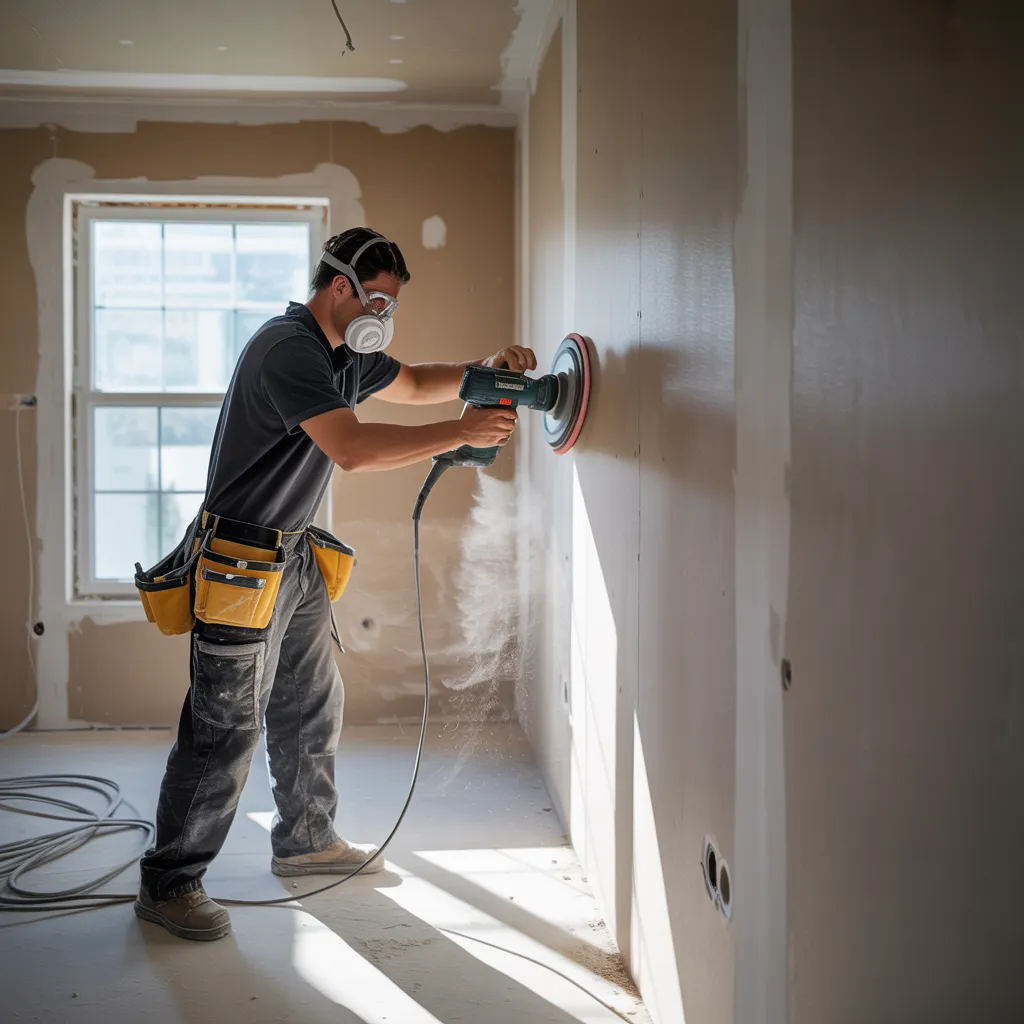
Expert drywall repair is essential because it delivers a smooth surface that improves the visual appeal of a space. Property owners of all kinds understand the value of maintaining interior walls, as flaws can undermine the appearance and market value of a building. Trained specialists are equipped with the skills to assess damage accurately and apply suitable methods for restoration, ensuring a perfect finish.
In addition, professional services reduce the risk of recurring issues by identifying and resolving the core issues responsible for the initial damage. Such a preventative method not only improves appearance but also extends the lifespan of the walls. Additionally, professional drywall repair adheres to safety standards, minimizing potential hazards associated with improper repairs. In the end, opting for skilled expertise cultivates a pleasant space, making certain that rooms continue to be useful and attractive well into the future.
What Are Common Types of Drywall Damage and Their Causes?
Numerous types of drywall damage can occur in both home and business environments, with each type originating from distinct causes. A frequently encountered form is water damage, often resulting from leaky roofs, plumbing issues, or high humidity. This can lead to sagging, mold growth, and discoloration. Impact damage is another regularly encountered concern, often caused by collisions with furniture, athletic gear, or unintended contact, producing unsightly dents and openings in the drywall surface. Cracks can also emerge from the natural settling of the structure or thermal expansion and contraction, undermining the strength and stability of the drywall panel. Moreover, nail pops, where fasteners push through the surface, are often caused by shifting or settling. Each of these damages requires specific attention and repair techniques to restore the drywall's appearance and functionality, highlighting the critical need for expert evaluation and restoration services.
Skilled Approaches to Diagnosing Drywall Issues
A comprehensive evaluation of drywall damage demands a keen eye for detail and an awareness of potential hidden concerns. Specialists commence by assessing the surface for apparent signs of deterioration, such as cracks, holes, and water stains. They use tools like specialized moisture meters to locate hidden dampness that could indicate leaks or mold growth. Furthermore, assessing the structural soundness behind the drywall is essential; this may involve checking for warping or sagging, which can indicate framing problems.
Sound tests, where tapping the wall reveals hollow spots, are useful for locating spots in need of restoration. Seasoned professionals also evaluate the placement of the damage, as certain areas might be more prone to issues due to plumbing or electrical installations. By merging hands-on visual inspections with professional-grade instruments and approaches, professionals can effectively evaluate the scope of drywall damage, laying the groundwork for implementing targeted and efficient repair solutions.
What to Expect From the Drywall Repair Process
Expect a seamless and efficient drywall repair process that focuses on quality results and client satisfaction. Initially, skilled technicians will carry out a comprehensive inspection of the drywall damage to establish the most suitable repair approach. This evaluation guarantees that all damage, from minor dents to significant holes, are identified.
After the initial inspection, the team will prepare the work area, protecting surrounding spaces to reduce disturbance. Repairs typically involve mending, abrading, and coating with primer, followed by a finish that matches the existing wall texture. During the entire procedure, expert craftsmen will utilize specialized tools and techniques to ensure a seamless outcome.
Communication plays a vital role; clients will receive regular updates and necessary clarifications. The process culminates in a final inspection to confirm satisfaction before the team cleans up the workspace. This methodical process results in beautifully restored walls that improve the home's overall aesthetic, reflecting the commitment to excellence in drywall repair.
Why You Should Hire Experts for Drywall Repairs
Engaging skilled contractors for drywall repairs delivers significant advantages that can enhance the overall outcome. Their superior craftsmanship ensures a polished result, while their professional know-how facilitates thorough and timely repairs. Moreover, working with these specialists can minimize time spent and expenses incurred in the end.
Expert Workmanship Promised
Choosing skilled drywall repair professionals ensures superior craftsmanship that elevates the overall aesthetic and structural integrity of a space. Professionals offer extensive knowledge and experience, ensuring work is completed with accuracy. They employ high-grade materials and advanced techniques, which significantly lower the likelihood of future issues such as cracking or moisture damage. Moreover, professionals can precisely replicate textures and finishes, blending repairs with existing surfaces for a polished result. This attention to detail not only elevates the overall appearance but also promotes the lasting resilience of the surfaces. By working with professionals, property owners can be confident that their wall repairs will be executed at the highest level, delivering a polished and enduring finish.
Time Savings and Cost Efficiency
Properly handling drywall repairs can help homeowners save both time and money, making the decision to hire professional services a smart one. Experts are equipped with the tools and skill required to streamline the repair process, guaranteeing that work is finished promptly and efficiently. Such efficiency limits the disturbance to daily activities, enabling homeowners to resume their normal schedules without extended disruption. Furthermore, engaging professionals can help avoid expensive errors, as their experience often leads to a more durable and polished finish. By resolving problems quickly and accurately, specialists help avoid future repairs, ultimately saving homeowners from unexpected expenses. As a result, choosing professional drywall repair services turns out to be both a time-efficient and economical choice.
Professional Expertise and Strategies
Skilled drywall repair work not only boost time and cost savings but also deliver expert insight and refined methods. Experts carry a thorough knowledge of materials, tools, and techniques necessary for delivering flawless outcomes. Their training allows for accurate assessment of damage, ensuring appropriate repair strategies are employed. This expertise minimizes the risk of recurring issues, such as cracks or moisture problems. Furthermore, experts are highly knowledgeable about local building regulations and standards, guaranteeing adherence in every job. Their background enables faster, superior-quality repairs that improve the overall appearance of any area. At the end of the day, working with specialists for drywall repairs delivers a premium finish, protecting homeowners from the setbacks of DIY attempts and guaranteeing enduring quality.
How to Preserve Your Repaired Drywall
Preserving repaired drywall is important for durability and appearance. Routine cleaning habits can stop dirt from accumulating, while monitoring humidity levels prevents water damage concerns. Moreover, addressing any damage promptly ensures that minor concerns do not turn into significant damage.
Regular Cleaning Practices
Adequate care and maintenance can considerably increase the life of repaired drywall. Regular cleaning practices are essential for maintaining its integrity and appearance. Dust and dirt can accumulate on surfaces, so it is recommended to use a soft cloth or microfiber duster to clean the walls every few weeks. For tougher stains, a gentle application of a mild soap solution with a sponge is effective, being careful not to soak the surface. It's vital to avoid abrasive cleaners or scrubbing pads, as these can damage the surface. Additionally, addressing spills or marks promptly can prevent permanent discoloration and maintain the aesthetic appeal. By incorporating these simple cleaning habits, homeowners can preserve the quality of their repaired drywall for years to come.
Manage Humidity Levels
Routine cleaning habits establish the foundation for more durable drywall, but monitoring humidity levels is equally important in preserving its condition. Elevated humidity levels may result in mold development and material breakdown, while excessively low humidity can cause cracking and warping. Homeowners should aim to keep indoor humidity levels between 30% and 50%. This can be achieved by using dehumidifiers in damp areas and ensuring proper ventilation throughout the home. Consistently measuring humidity with a hygrometer facilitates prompt and preventive modifications. Additionally, sealing any gaps or cracks in windows and doors can help regulate moisture. By effectively managing humidity, the integrity of repaired drywall can be upheld, ensuring a beautiful, resilient finish that stands the test of time.
Quickly Address Damage
Dealing with damage quickly is vital for protecting the condition of patched drywall. Minor concerns, such as small cracks or dents, can rapidly worsen if left untreated, leading to more extensive repairs. Residents should carry out frequent evaluations to identify any signs of wear or additional resource damage. Once detected, immediate action should be taken to tackle concerns, whether through do-it-yourself approaches or by contacting professional drywall repair services. Timely repairs not only copyright the visual integrity of walls but also prevent moisture infiltration and structural damage. Furthermore, keeping a supply of basic repair supplies—like wall filler or joint compound—can support fast restorations. Ultimately, forward-thinking care guarantees that restored drywall remains in ideal condition, extending its lifespan and boosting the property's overall worth.
Frequently Asked Questions
What Is the Usual Duration of a Drywall Repair?
A common drywall repair needs approximately 2 to 4 hours, depending on the extent of damage. Elements affecting the duration include the scale of the repair, the drying period for the materials, and the complexity of the project.
Can I Start Painting Directly After Drywall Repair?
It is not recommended to paint immediately after drywall repair. Allowing the repair to thoroughly dry and cure is important, a process that generally requires 24 to 48 hours, guaranteeing a smooth, uniform finish without undermining the repair.
What Materials Are Used by Professionals for Repairs?
Professionals commonly utilize drywall tape, joint compound, and sandpaper for repairs. They may also employ specialized tools like trowels and knives, along with primer and paint to achieve a smooth, seamless finish on the surface.
Are There Environmentally Friendly Choices for Drywall Repair?
Certainly, sustainable alternatives for drywall restoration exist. Professionals regularly incorporate sustainably sourced materials, environmentally safe joint compounds, and environmentally responsible insulation products, contributing to cleaner indoor conditions while reducing environmental impact while completing the repair work.
How Can I Select the Best Drywall Repair Service?
Choosing the most suitable drywall repair service involves looking into local businesses, checking customer feedback, evaluating costs, and reviewing their qualifications. In addition, checking their qualifications and requesting referrals ensures a consistent and high-quality repair job.